Trimming & pruning
Healthier trees, more light and nothing scraping your roof. We remove dead and problem limbs with clean cuts that help the tree heal.
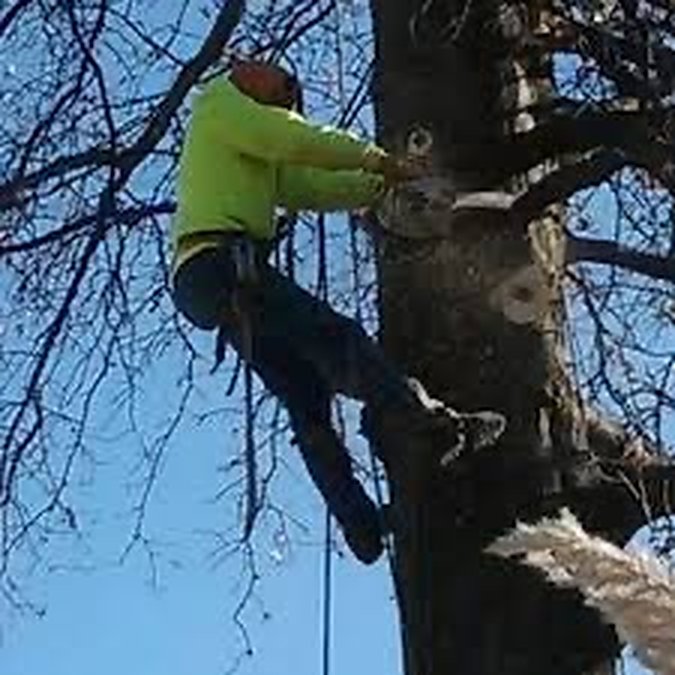
Trimming that helps the tree
Good trimming makes a tree safer and healthier. Bad trimming leaves stubs that rot. We cut at the right spot, every time.
- Dead, broken and hanging limbs removed
- Branches cleared away from your roof, gutters and siding
- Crown thinning to let in light and reduce wind load
- Low limbs raised over driveways, sidewalks and lawns
- Heavy limbs reduced before storm season
- Shaping for young and ornamental trees
- Bush and shrub trimming
- Cleanup of every branch we cut
Signs your trees need trimming
Regular trimming costs less than a removal, and a lot less than storm damage.
Limbs over the roof
Branches touching the roof or hanging over it can damage shingles and gutters.
Dead branches
Dead limbs fall without warning, especially in wind and ice.
Rubbing branches
Branches that cross and rub wear through the bark and invite disease.
Low limbs
Branches that hit cars, people or the mower.
Too thick to see through
An overgrown crown blocks light and catches more wind.
After a storm
Cracked or hanging limbs that need to come down before they fall.
When is the best time to trim?
Many trees are best trimmed while dormant in late fall and winter. Dead, broken or hazardous limbs should come down any time of year.
Will trimming hurt my tree?
Not when it's done right. We make clean cuts at the branch collar and don't strip out more than the tree can handle.
Can you trim trees near power lines?
Limbs touching or close to power lines need your electric company first. Call them, and we'll take care of the rest of the tree.
Do you clean up afterward?
Yes. Every branch we cut is chipped or hauled away.
Trees need a trim?
Tell us about the job, or call and talk it through.